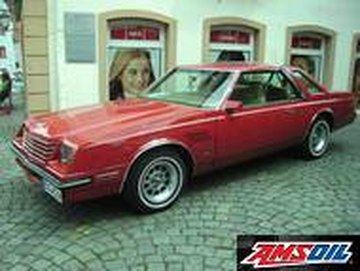
Engine Lubrication and Maintenance for the 1981 Dodge MIRADA 5.2L
Maintaining a vehicle from the early 1980s requires a shift in perspective compared to modern automotive care. For owners of a 1981 Dodge MIRADA equipped with the 5.2L engine, routine service is not just about following a schedule; it is about monitoring the physical condition of aging components and ensuring that lubrication remains effective despite the passage of time.
Monitoring Fluid Integrity and Potential Seepage
As vehicles age, the integrity of various seals and gaskets can change due to thermal cycling and material degradation. When performing routine inspections on a 1981 Dodge MIRADA, it is beneficial to look for signs of fluid seepage around the engine block and connection points. Rather than assuming a specific component has failed, an observant owner should look for any evidence of oil or other fluids accumulating in areas where they do not belong.
If you notice wetness or residue on various surfaces, it may indicate that a seal is beginning to lose its effectiveness. This does not necessarily mean an immediate repair is required, but it serves as a vital data point for your maintenance records. Identifying these small changes early allows for better planning and prevents minor seepage from becoming a more significant issue. Additionally, checking the condition of any visible hoses or electrical connections during these inspections can provide a broader view of the engine compartment's overall health.
Observing Changes in Engine Performance and Lubricant Condition
Effective maintenance involves being attuned to how the vehicle behaves during operation. While many mechanical issues are not immediately obvious, certain symptoms can warrant closer investigation. For example, if you notice a change in the way the engine sounds or if there is an unusual odor after driving, these can be indicators that something requires attention.
Changes in the appearance of the oil itself—such as unexpected discoloration or a texture that seems inconsistent with normal used lubricant—can also be telling. It is important to remember that symptoms like unusual noises or odors can have multiple underlying causes. Rather than attempting to diagnose a specific part, these observations should be treated as prompts to perform a more thorough inspection of the engine and its surrounding components. Consistent monitoring helps establish what "normal" looks like for your specific vehicle, making it easier to spot deviations in the future.
Prioritizing Long-Term Engine Care
For an owner of a 1981 Dodge MIRADA, effective long-term maintenance is often about distinguishing between preventive care and unnecessary replacement. Instead of following a rigid "replace everything every few years" philosophy, which can be costly and sometimes unnecessary, focus on the actual condition of the parts. This approach is known as condition-based maintenance.
To do this effectively, you should:
- Review Service History: If available, look through past repair orders and receipts to understand what has already been addressed. Knowing when a component was last serviced helps you prioritize what needs attention now.
- Establish a Baseline: If the vehicle's history is unknown, use your first few thorough inspections to create a baseline. Note the current condition of belts (if equipped), hoses, and various seals.
- Address Active Concerns First: If you notice an active leak or a symptom that warrants investigation, address those items before moving on to purely preventive tasks.
- Document Everything: Keeping a detailed log of fluid changes, part replacements, and even visual observations helps you track the aging process of the vehicle over time.
By focusing on documented evidence and visible condition rather than guesswork, you can manage the maintenance of the 5.2L engine in a way that is both practical and cost-effective.
The Role of Lubrication in Engine Longevity
Engine oil performs several vital roles that are essential for the continued operation of any internal combustion engine. Beyond simply reducing friction between moving parts, the lubricant helps to manage heat within the engine environment and assists in cleaning the internal components by carrying away microscopic debris.
Over time, even with regular changes, lubricants can begin to lose some of their effectiveness due to oxidation or contamination from combustion byproducts. This is why maintaining a consistent service routine is so important. Fresh lubricant ensures that the engine continues to have the necessary protection against wear and that heat is managed efficiently during operation. For an older engine like the one in the 1981 Dodge MIRADA, ensuring the oil remains clean and within its effective service life is a fundamental aspect of preserving the mechanical integrity of the vehicle.
Managing Aging Components and Materials
When maintaining a vehicle that has been in service for several decades, it is helpful to consider how different materials react to age. Rubber components, such as belts (if equipped) or various hoses, can become brittle or lose their flexibility over time. Similarly, the gaskets that provide seals between metal surfaces may undergo changes in their ability to hold pressure.
During your routine checks, look for signs of cracking, glazing, or fraying on any accessible drive belts. For hoses, check for any signs of swelling, hardening, or leaks at the connection points. These are not necessarily indicators of imminent failure, but they are important indicators of the age-related progression of these materials. Addressing these items as they show signs of wear is a proactive way to manage the vehicle's long-term reliability.
Practical Advice for Buying Engine Oil for your 1981 Dodge MIRADA 5.2L
When it is time to replenish your engine lubricant, the most important step is to ensure that the product you select matches the specific requirements of your vehicle. For this 1981 Dodge MIRADA with the 5.2L engine, do not rely on general automotive knowledge or assumptions based on the vehicle's age to choose a grade.
Instead, match the engine oil to the application-specific viscosity and lubricant information already displayed on this webpage. When you are ready to make a purchase, follow these practical steps:
- Verify the Viscosity: Check the product label against the specific viscosity information provided in the application data above to ensure an exact match.
- Consider Formulation Types: Depending on your specific needs and the current condition of your engine, you may choose between conventional, synthetic blend, or full synthetic oils. Some high-mileage oil formulations also contain additives intended for use in aging engines, including seal-conditioning additives.
- Check API Certifications: Ensure that any oil you purchase meets the appropriate modern API service classifications to guarantee a baseline level of quality and performance.
- Inspect the Container: Always double-check the labeling on the bottle before completing your purchase to confirm it is the correct product for your 5.2L engine.